

Santiago del Teide.
A municipality with an identity of its own.
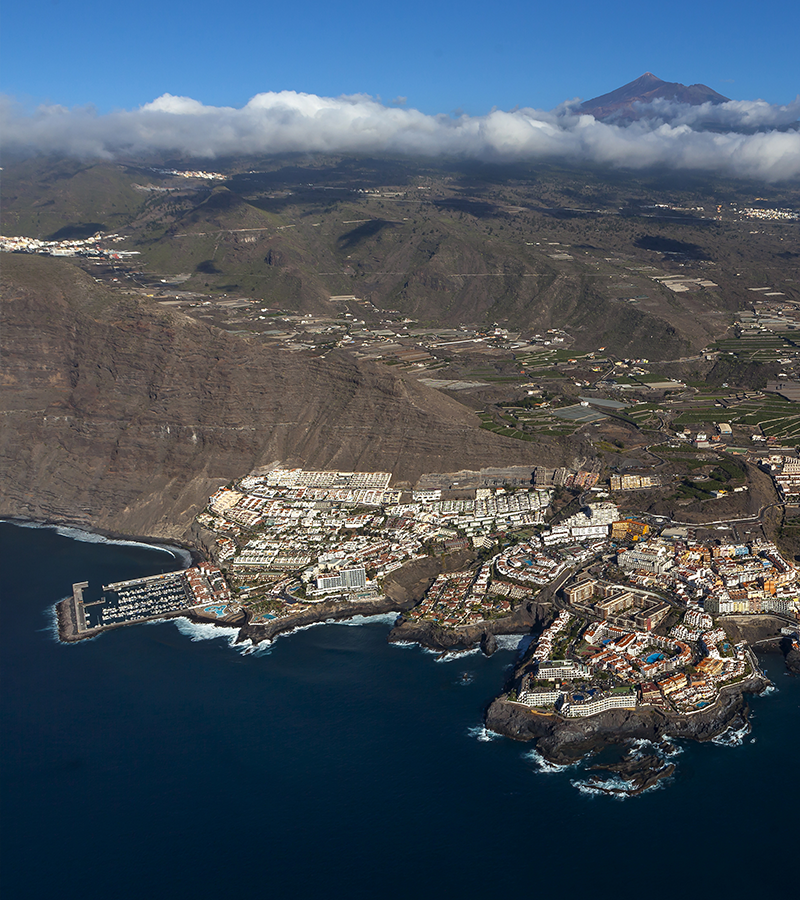
Amid volcanoes, cliffs, and villages that have preserved their essence, Santiago del Teide surprises with its diversity of landscapes and nuances. From its Atlantic coastline to its summit, the landscape not only defines the territory, it can be felt at every step.
In this spot of the southwest of Tenerife coexist some of the most unique landscapes of the island: the youngest and oldest lavas of Tenerife, witnesses of its volcanic history, pine forests that blanket the summit, and a privileged seaside located in the Teno-Rasca protected coastal waters, the only Whale Sanctuary in Europe. Each natural space invites you to explore, to disconnect and to experience Santiago del Teide as part of a unique environment, full of contrasts and emotions.
A municipality with an identity of its own.
Amid volcanoes, cliffs, and villages that have preserved their essence, Santiago del Teide surprises with its diversity of landscapes and nuances. From its Atlantic coastline to its summit, the landscape not only defines the territory, it can be felt at every step.
In this spot of the southwest of Tenerife coexist some of the most unique landscapes of the island: the youngest and oldest lavas of Tenerife, witnesses of its volcanic history, pine forests that blanket the summit, and a privileged seaside located in the Teno-Rasca protected coastal waters, the only Whale Sanctuary in Europe. Each natural space invites you to explore, to disconnect and to experience Santiago del Teide as part of a unique environment, full of contrasts and emotions.
A destination to discover.
Santiago del Teide is much more than the sum of its landscapes, villages, and traditions.
It is a place that recognises itself in the everyday, that evolves without losing its roots and that reveals itself naturally, showing its essence in every detail.
There is still much to discover in this corner of the southwest of Tenerife. Each trail, each story and experience is an opportunity to better understand the identity of this municipality that welcomes visitors with commitment, awareness, and a deep respect for its people and environment.
A place that is,
Different By Nature.
A destination to discover.
Santiago del Teide is much more than the sum of its landscapes, villages, and traditions.
It is a place that recognises itself in the everyday, that evolves without losing its roots and that reveals itself naturally, showing its essence in every detail.
There is still much to discover in this corner of the southwest of Tenerife. Each trail, each story and experience is an opportunity to better understand the identity of this municipality that welcomes visitors with commitment, awareness, and a deep respect for its people and environment.
A place that is,
Different By Nature.
A series of connected villages.
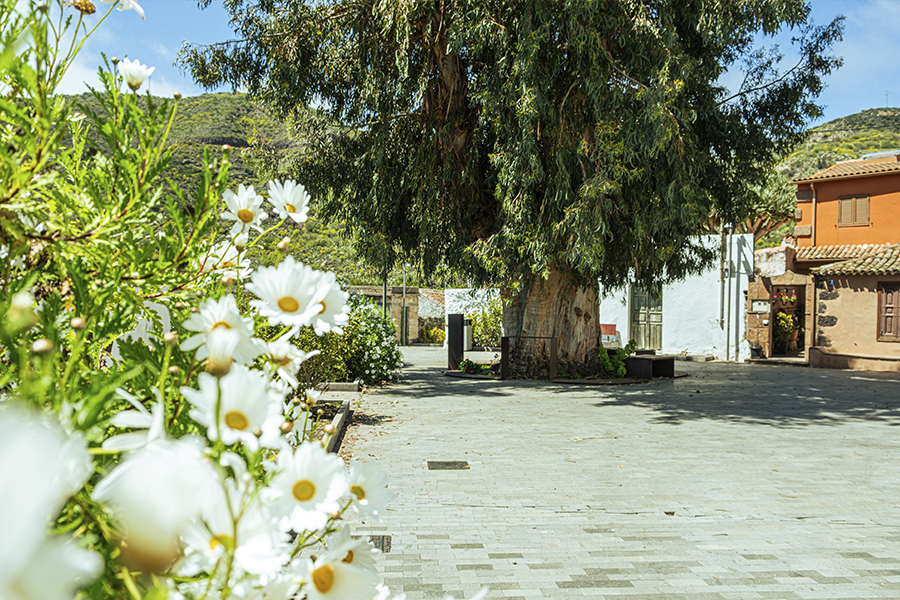
Santiago del Teide cannot be discovered from just one place, but through all its villages. Each place invites you to experience the destination from a close, authentic and natural connection with its landscape.
Santiago del Teide cannot be discovered from just one place, but through all its villages. Each place invites you to experience the destination from a close, authentic and natural connection with its landscape.
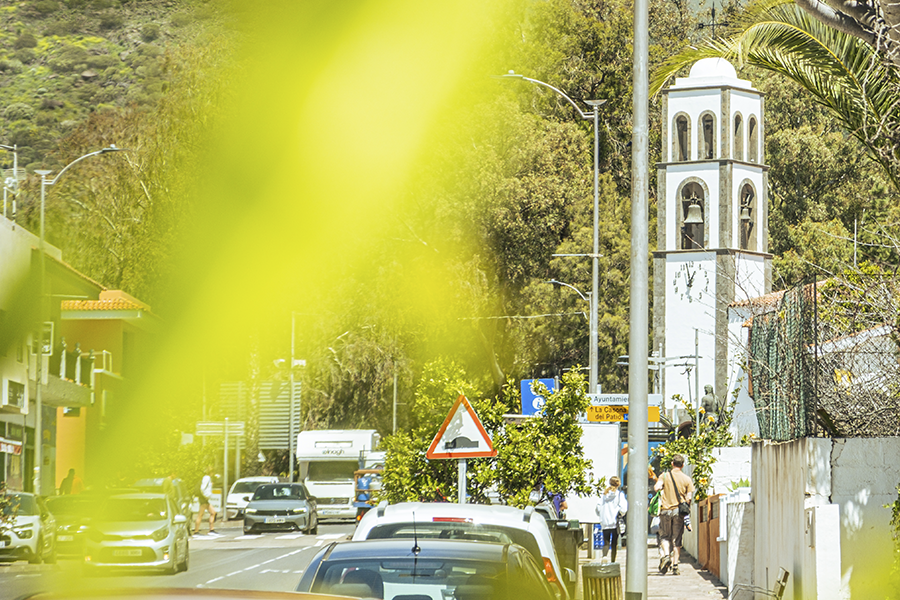
Tamaimo, the central core of the municipality’s midlands, preserves the charm of its historic centre around the church of Santa Ana. And there, in Valle de Arriba, stands the first religious building in Santiago del Teide, a priceless gem of heritage that speaks of the origin and memory of the place.
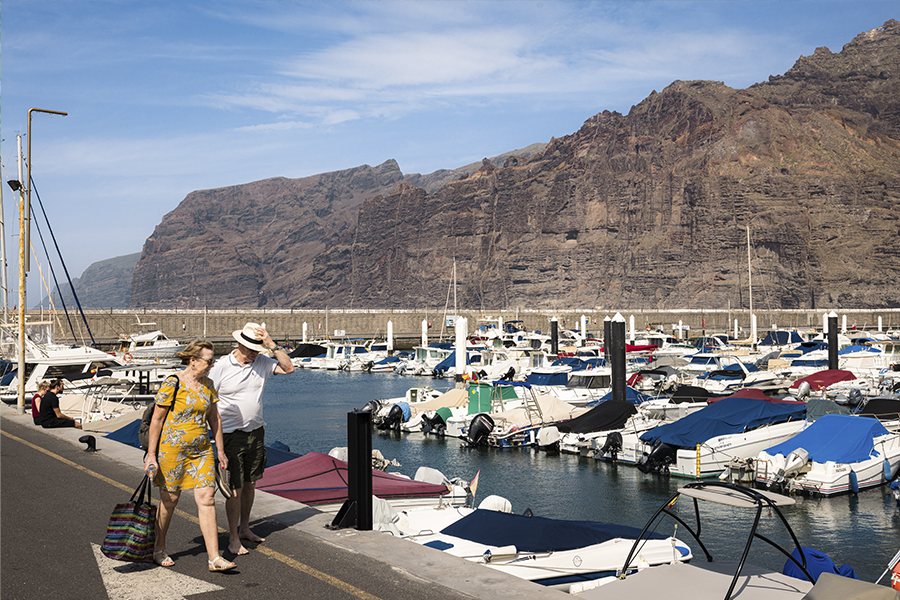
On the coast, Puerto de Santiago and Acantilados de Los Gigantes offer a completely different landscape, marked by the fishing tradition and the magnitude of the cliffs.
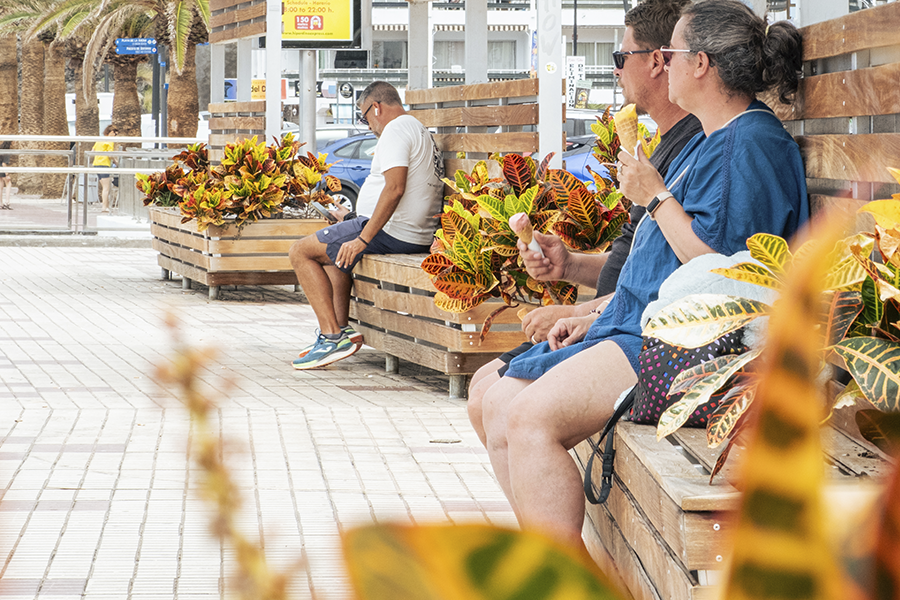
Nature and coast.
In Santiago del Teide, nature is part of daily life. Volcanoes, pine forests, almond tree blossom, cliffs and beaches are not just landscape: they are part of the environment that shapes local customs and lifestyles.
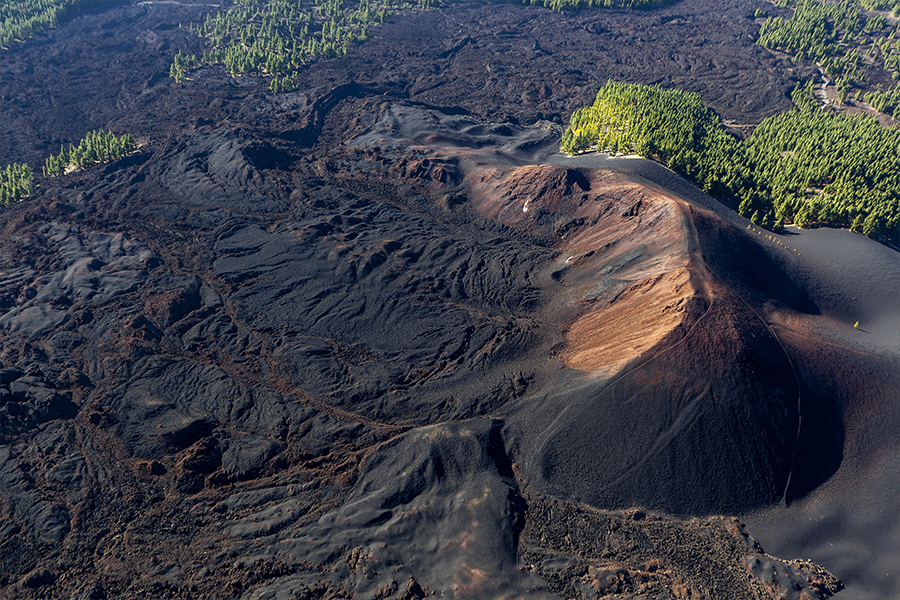
Nature and coast.
In Santiago del Teide, nature is part of daily life. Volcanoes, pine forests, almond tree blossom, cliffs and beaches are not just landscape: they are part of the environment that shapes local customs and lifestyles.
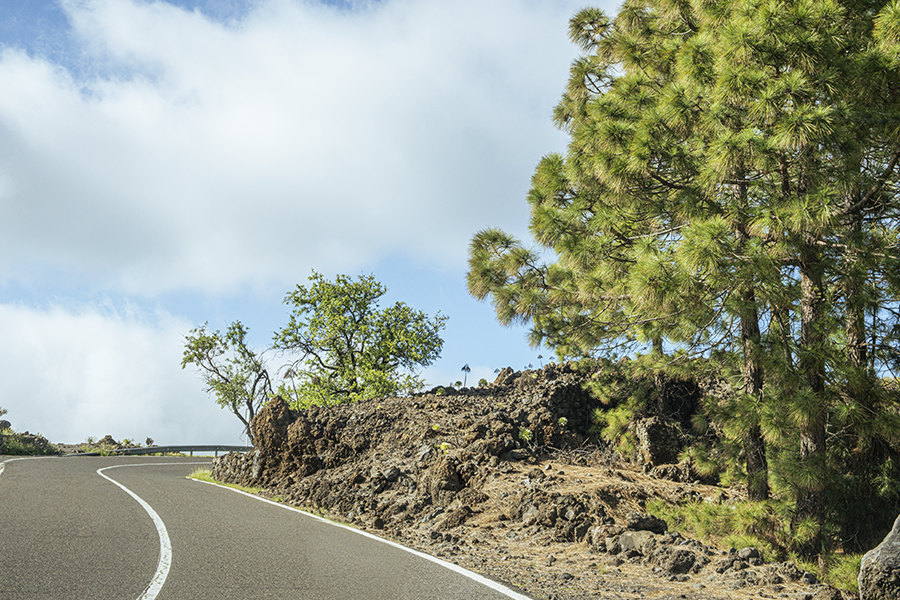
From the municipality you can access some of the most valuable natural areas of the archipelago, such as the Teide National Park, the Corona Forestal Nature Reserve, the Chinyero Special Nature Reserve and the Teno Rural Park. These are areas that invite you to discover them through their trails, ancient volcanic lava flows and extensive pine forests, elements that form part of the identity of this territory.
Soaring up more than 600 metres above the Atlantic, the Cliffs of Los Gigantes form a natural wall whose vertical walls are home to a rich variety of endemic flora and fauna. At its base lies Los Guíos Beach, an accessible beach where enjoying the sea becomes a multi-sensory experience. Further south, La Arena Beach, with volcanic sand and crystal-clear waters, maintains its commitment to accessibility and has services that make it easier for people with disabilities to enjoy. Both have the EMAS distinction, being the only beaches in the Canary Islands to hold this environmental certification.
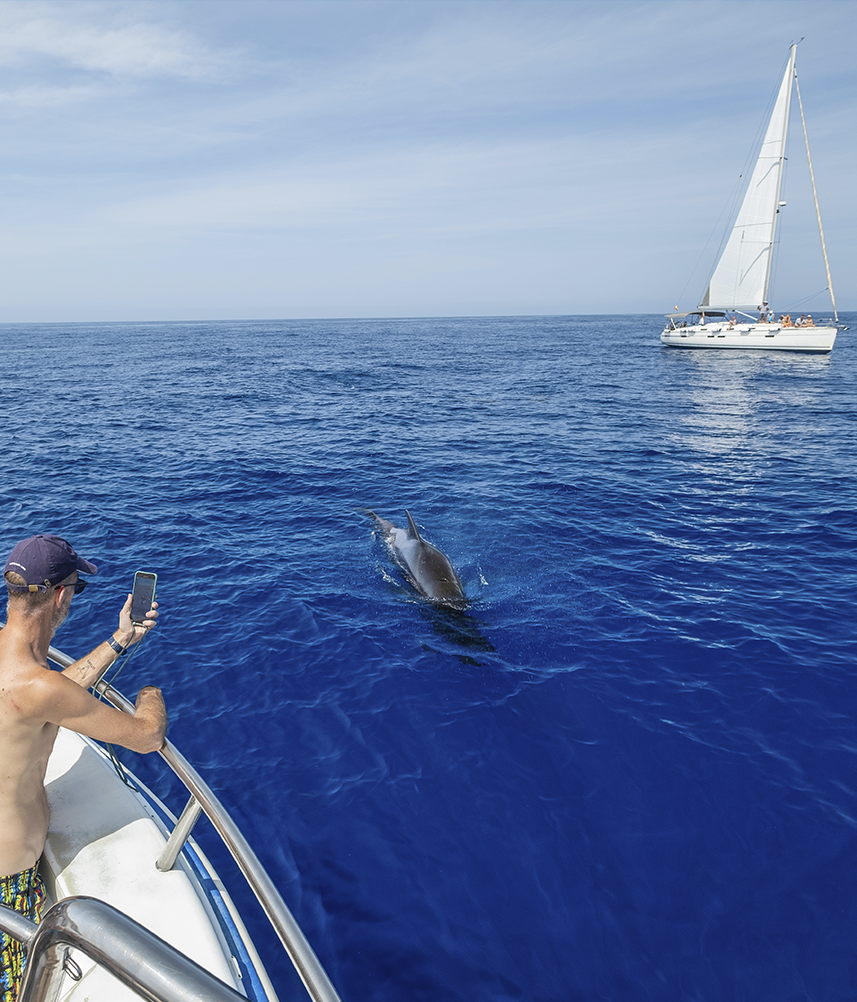
The waters that flow over the municipality’s coastline form part of the only Whale Sanctuary in Europe, and the third in the world, within the Teno-Rasca protected coastal waters, an environment of high ecological value, which is home to a rich marine biodiversity.

Flora and Fauna.
Flora and Fauna.
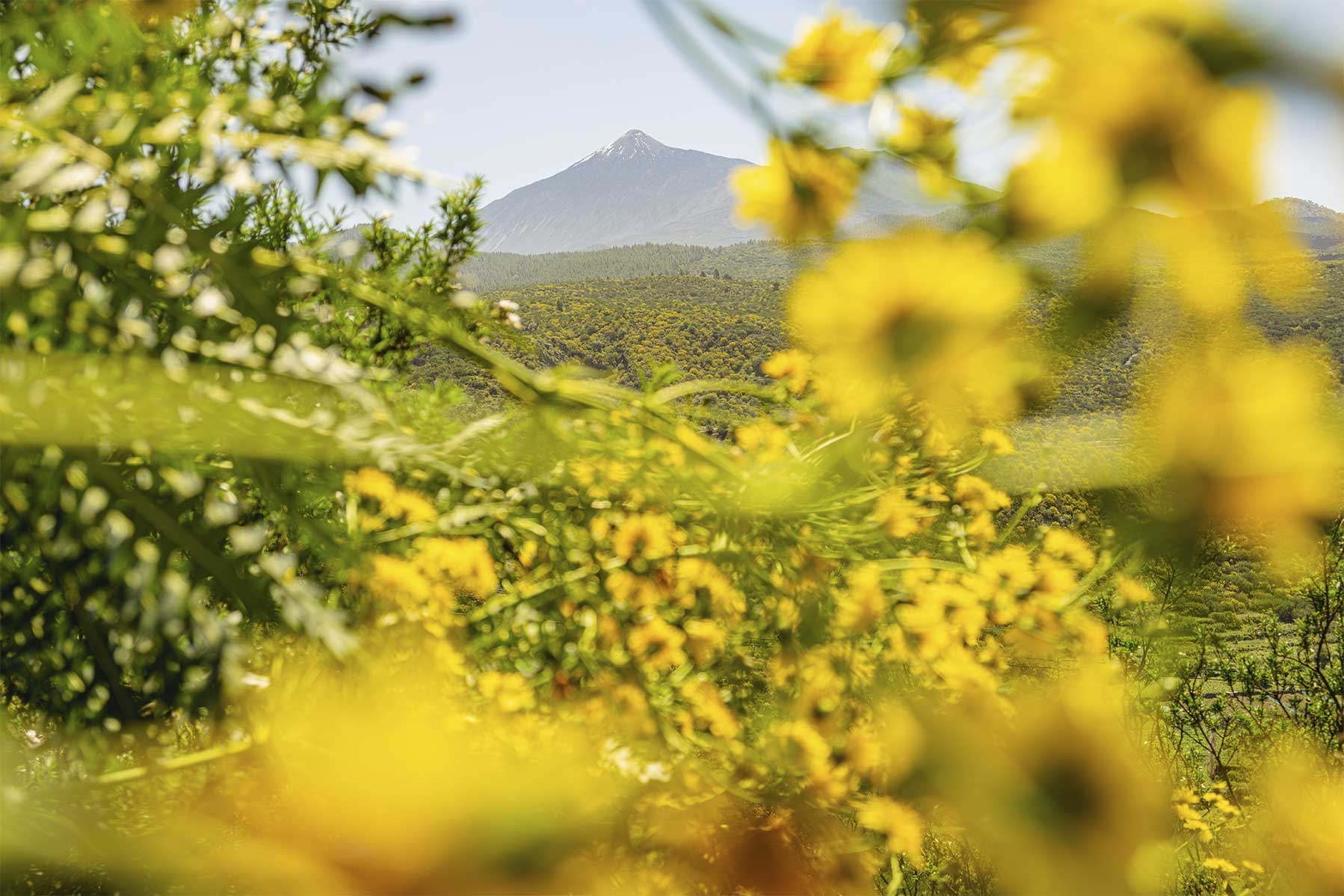
Santiago del Teide stands out for concentrating,
in just a few kilometres, a great variety of flora,
fauna and ecosystems of high ecological value.
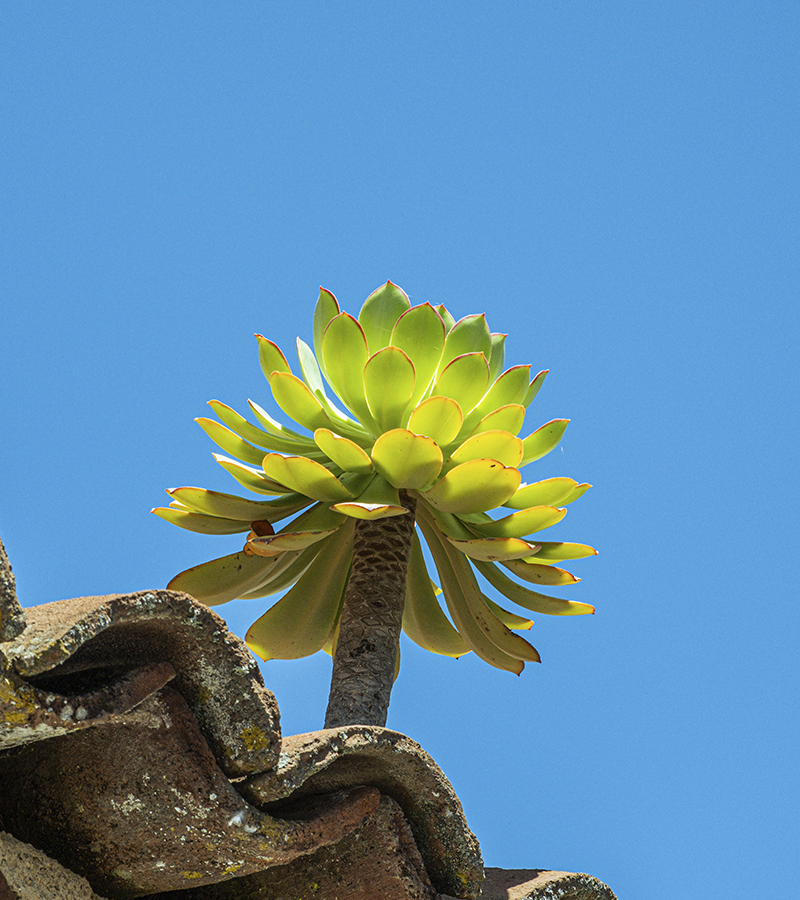
The flora of Santiago del Teide changes with altitude. On the coast and in low-lying areas, species such as the sweet Tabaiba, the Cardón, or the Verodes stand out, together with several varieties of Bejeques. The Cliffs of Los Gigantes are also home to the Siempreviva del Guergue, an endemic flower that survives anchored to its vertical walls.
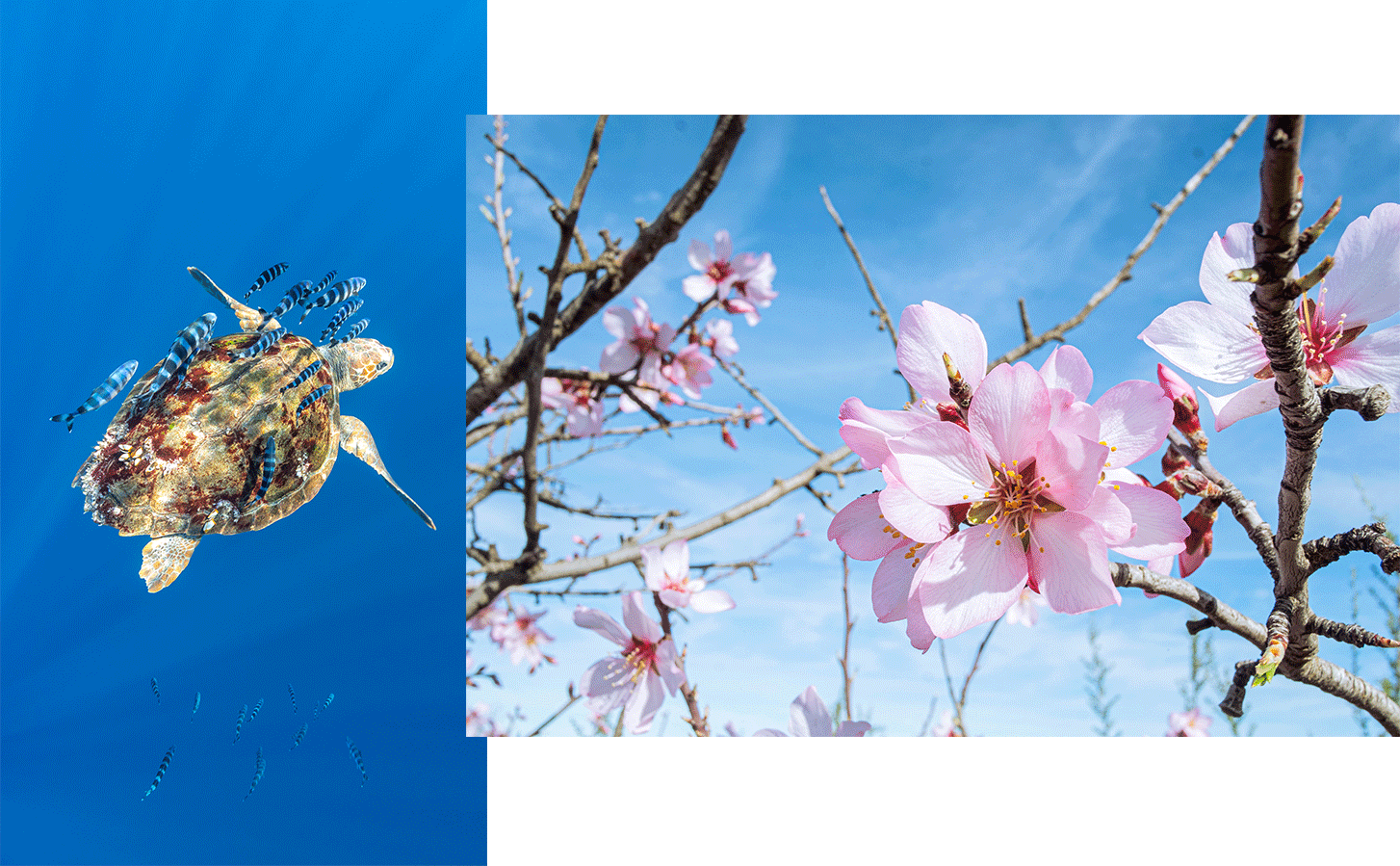
Among the most representative species of the high and midland areas, the almond and fig trees stand out, which are part of its agricultural history and have been essential in the rural life of the municipality. On the summit, within the protected area of the Corona Forestal Natural Park, Canarian pines predominate, together with Fayales, heaths and high mountain flora such as the white broom or the red Tajinaste.
The fauna of the municipality is as diverse as the flora. On land, species such as the giant Tenerife lizard, endemic to the island and found in the Cliffs of Los Gigantes, in the Teno Rural Park, as well as birds of prey such as the Osprey, stand out.
The marine environment is also rich in biodiversity. Its waters form part of the Teno-Rasca protected coastal waters, the first Whale Sanctuary in Europe, and are permanently inhabited by cetacean species such as the bottlenose dolphin and the short-finned pilot whale. Sea turtles are frequently sighted here, especially loggerhead turtles, although Green, Leatherback and Hawksbill turtles can also be seen. In addition to this is the wealth of marine structures that make this stretch of coastline a unique marine ecosystem.
Heritage and culture
In Santiago del Teide, cultural heritage is not just history:
it is a way of telling who we are.
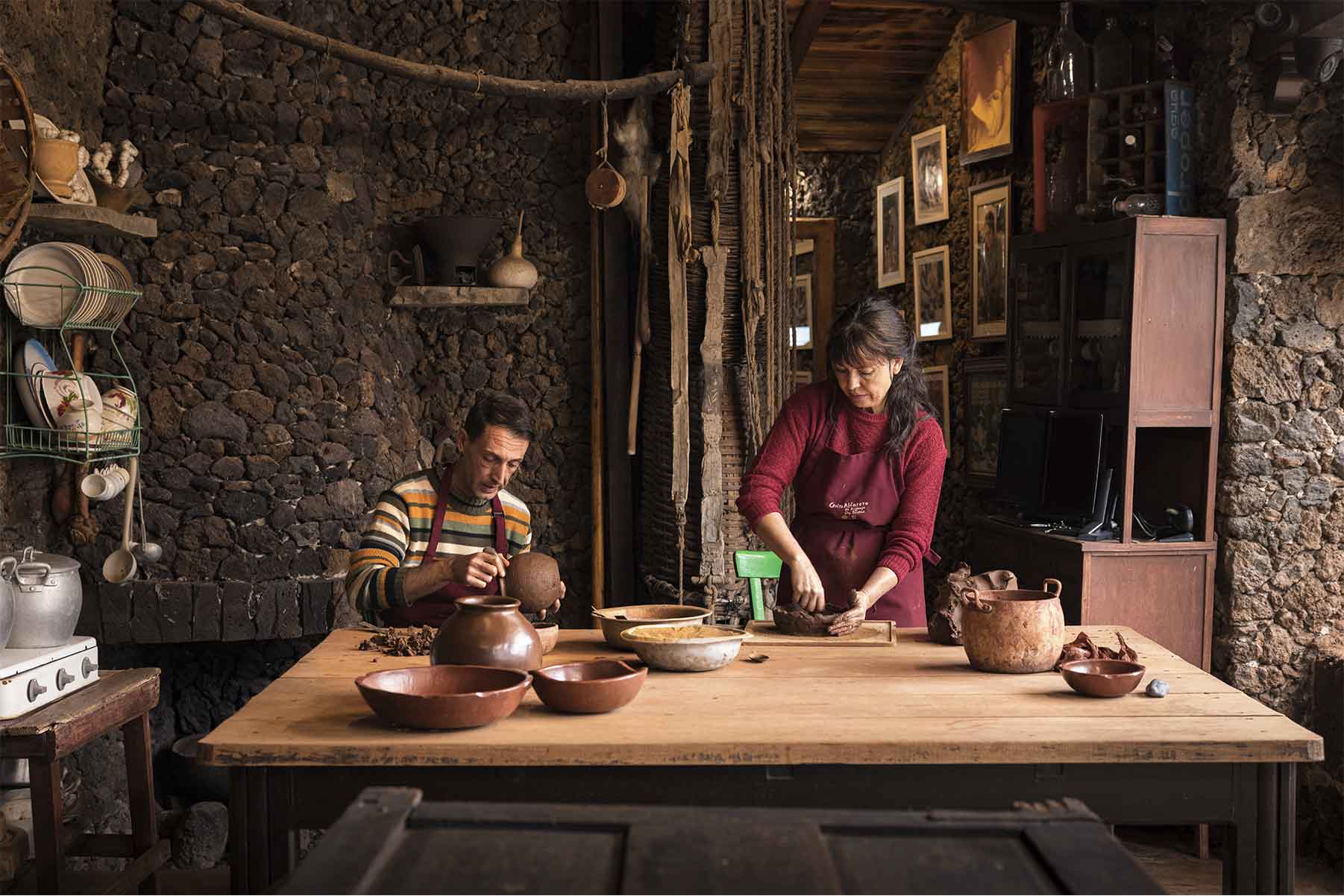
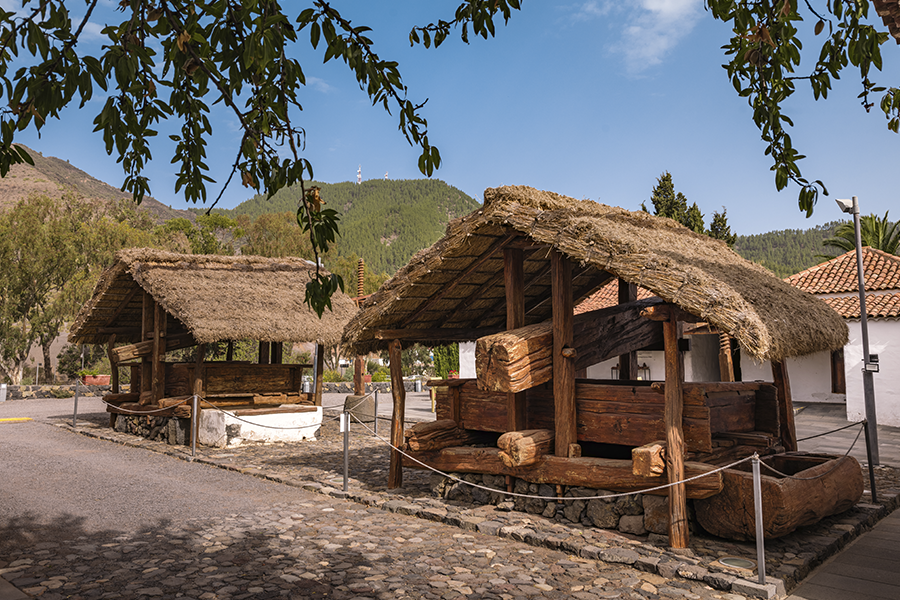
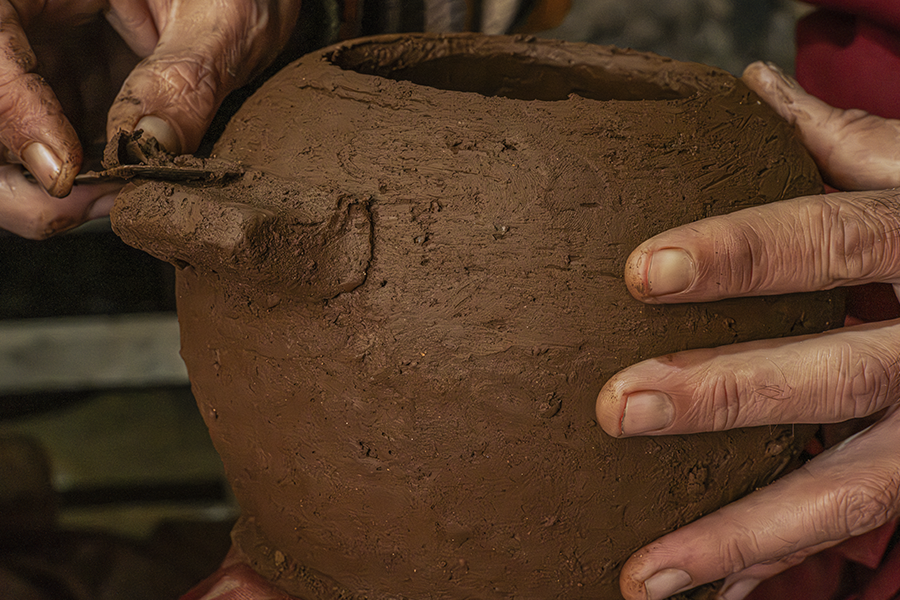
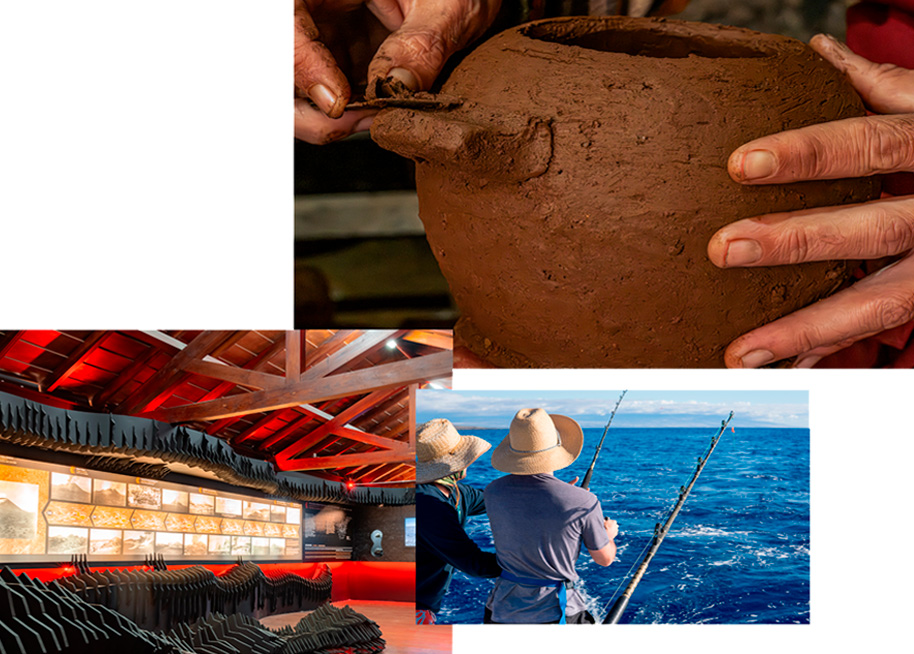
The Cha Domitila Pottery Centre and Ethnographic Museum, in the village of Arguayo, preserves the aboriginal pottery technique, with manual processes that respect tradition.
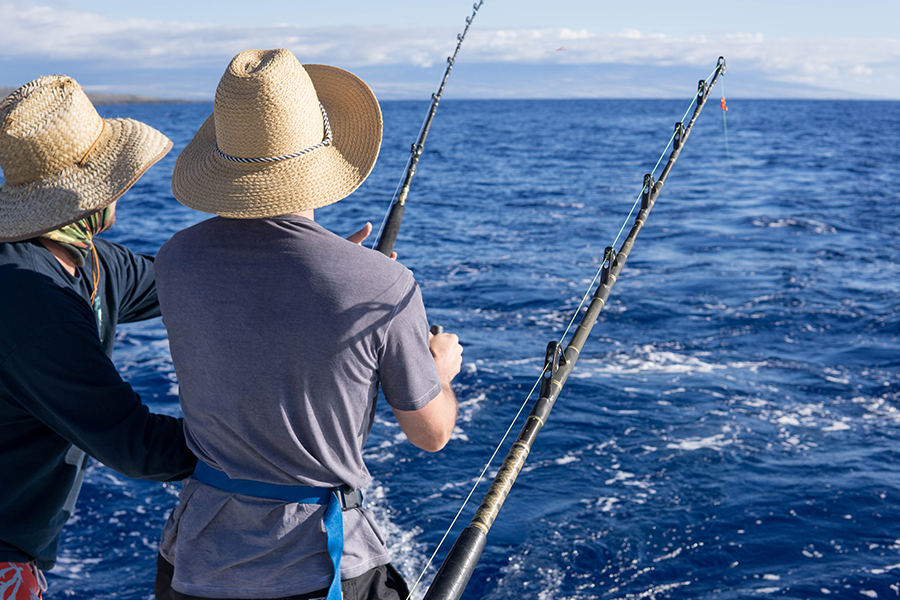
In Puerto de Santiago, the El Pescador Museum pays homage to one of the trades that defined life on the coast: artisanal fishing.
For its part, the Chinyero Visitor Centre, with interactive resources and exhibitions, shows the history of volcanology on the island of Tenerife and the last eruption on the island, that of the Chinyero Volcano in Santiago del Teide.
Religious heritage is also an essential part of the municipality’s identity.
El patrimonio religioso también forma parte esencial de la identidad del municipio.
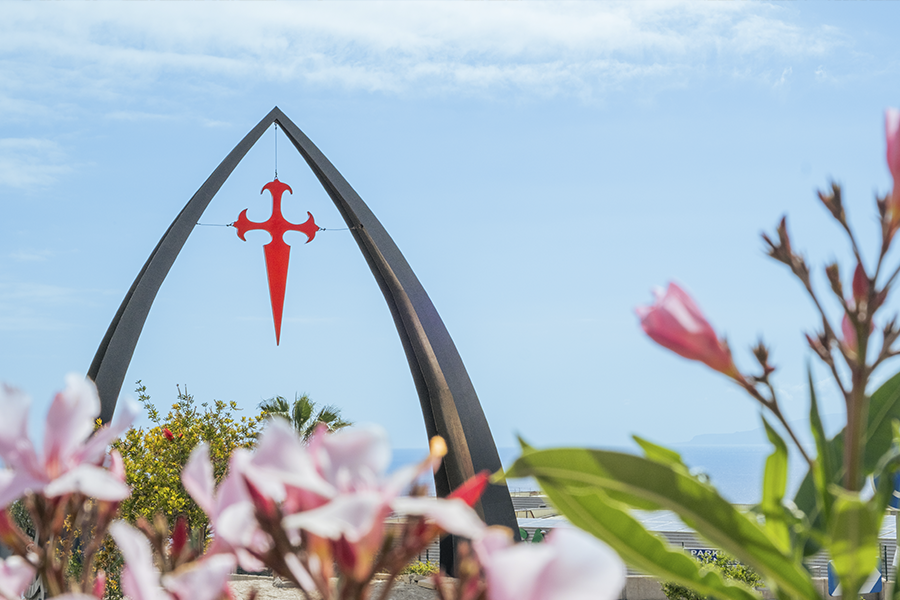
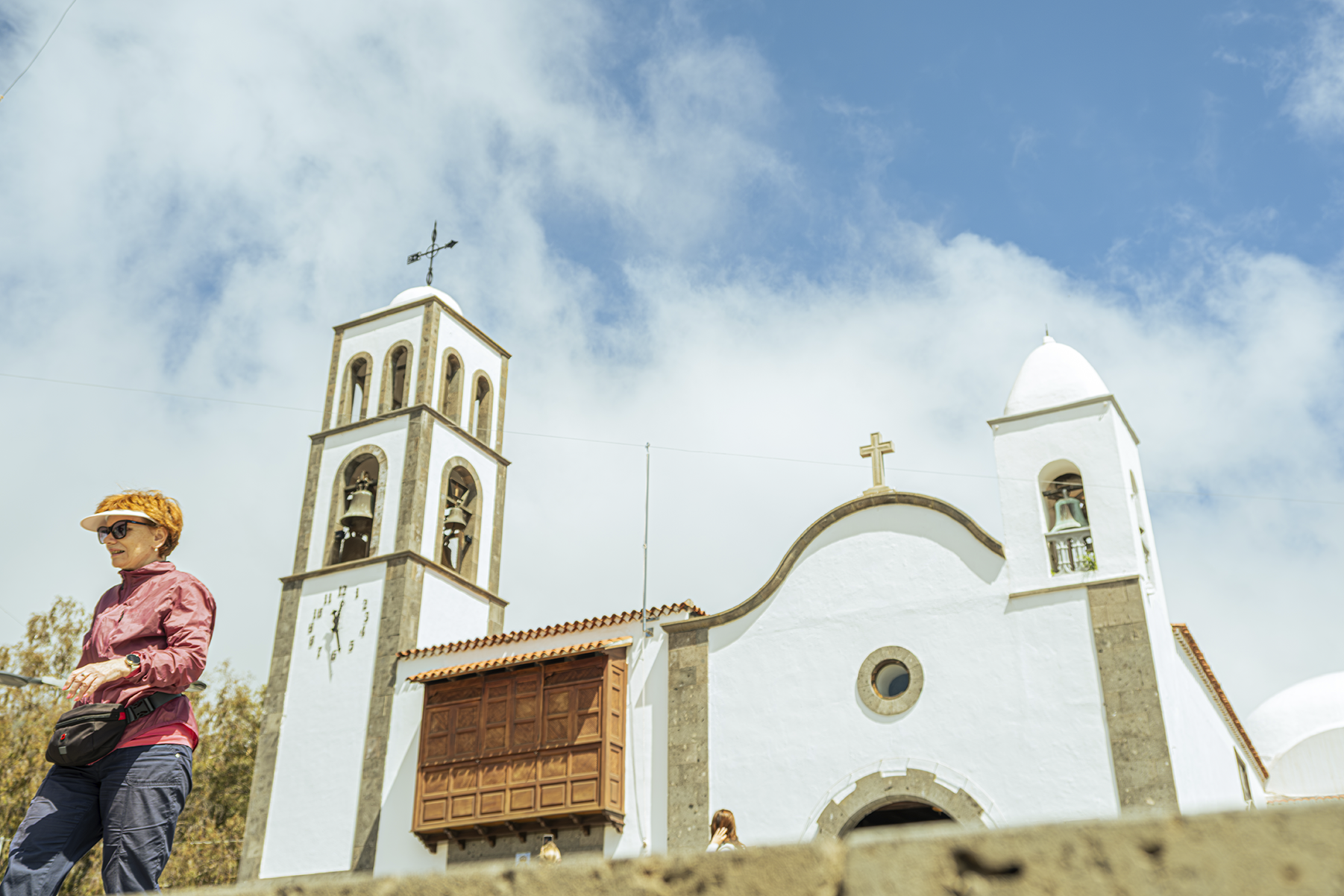
From the Hermitage of Santiago Apostle in Valle de Arriba, which was the first religious building in the municipality, to the Parish Church of San Fernando Rey, built in the 17th century as a spiritual symbol of the community, and the Parish Church of Santa Ana, in Tamaimo, make up a map of spaces that keep the collective memory between stone walls and silence.
Culture, history and territory coexist here, as part of a shared identity that is cared for, valued and passed on.
A history that remains.
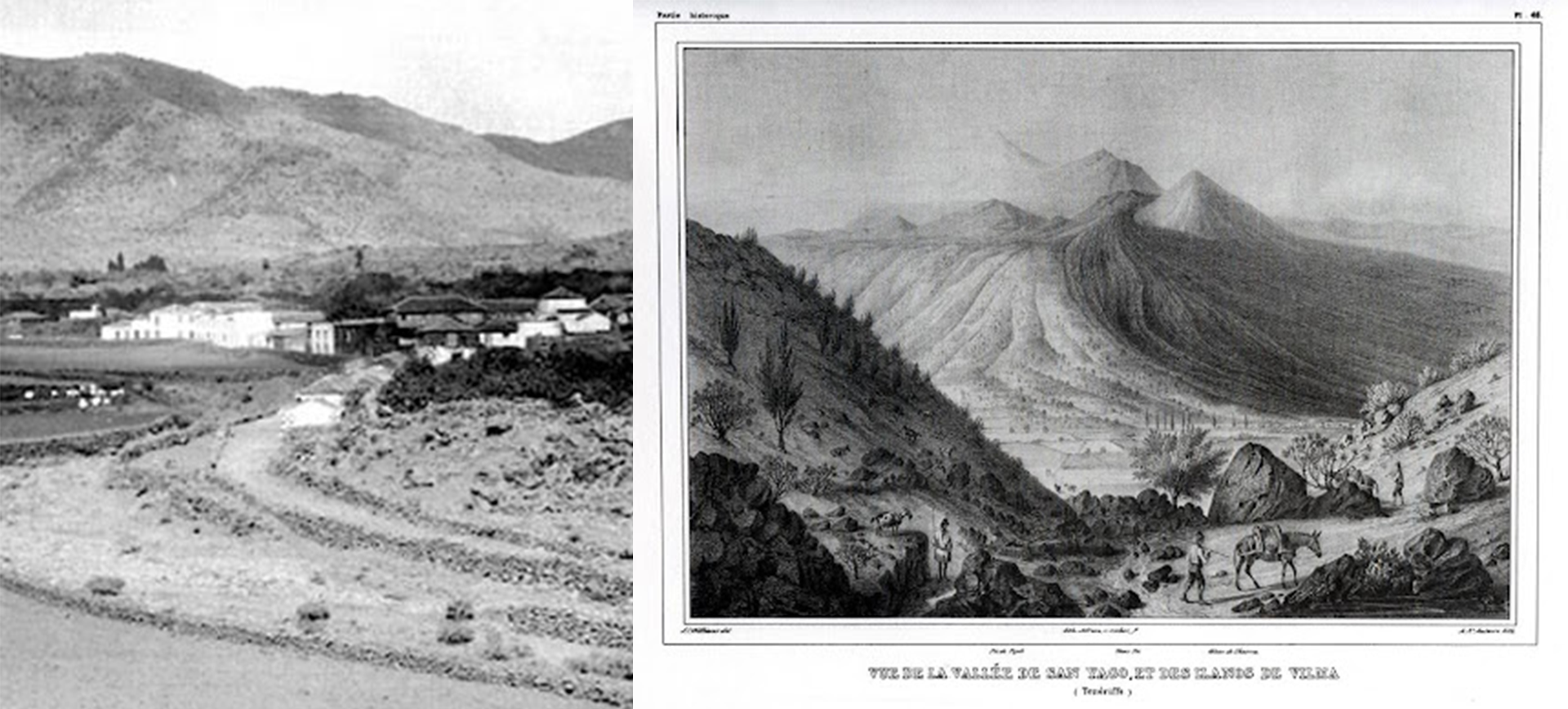
To speak of Santiago del Teide is to speak of the old Valle de Santiago, the name by which this area in the southwest of the island was known for centuries. A territory of midlands and peaks, inhabited since aboriginal times and shaped by shepherding, agriculture and a way of life in close contact with nature.
Santiago del Teide has its roots in the first years after the conquest of Tenerife, when the Valley of Santiago was incorporated into the old territory of Daute. Isolated between natural barriers, the first settlements grew up around farmhouses and a small chapel dedicated to Santiago. Over time, the growth of the population and the impetus of figures such as Don Fernando del Hoyo y Solórzano led to the creation of the parish of San Fernando Rey in 1679. The settlement gradually gained identity and organisation, and the cession of arable land in the 18th century enabled its inhabitants to improve their living conditions. Today, this past is still alive in its landscapes, in its traditional architecture and in the soul of its people.
From those first land divisions until the arrival of tourism in the 1960s, the territory has continued to change, although it was in the 20th century when Santiago del Teide underwent its greatest economic, social and cultural changes until it became the municipality we know today.
Among these historical milestones that marked a before and after are the eruption of the Chinyero volcano in 1909, the opening of the island road in 1930, and the awakening of tourism in the 1960s.
But beyond dates and facts, the history of Santiago del Teide remains alive in the traditions, in the architecture of its villages, and in the shared memory of those who have made this place their home generation after generation.