Sustainability at Destination.
Under the ‘Sustainability at Destination’ campaign, Santiago del Teide, in collaboration with the private sector, has highlighted all the actions and projects carried out in the municipality as a sign of its commitment to sustainability. This is approached from a comprehensive perspective, which revolves around three fundamental pillars: environmental protection, economic development and social welfare.
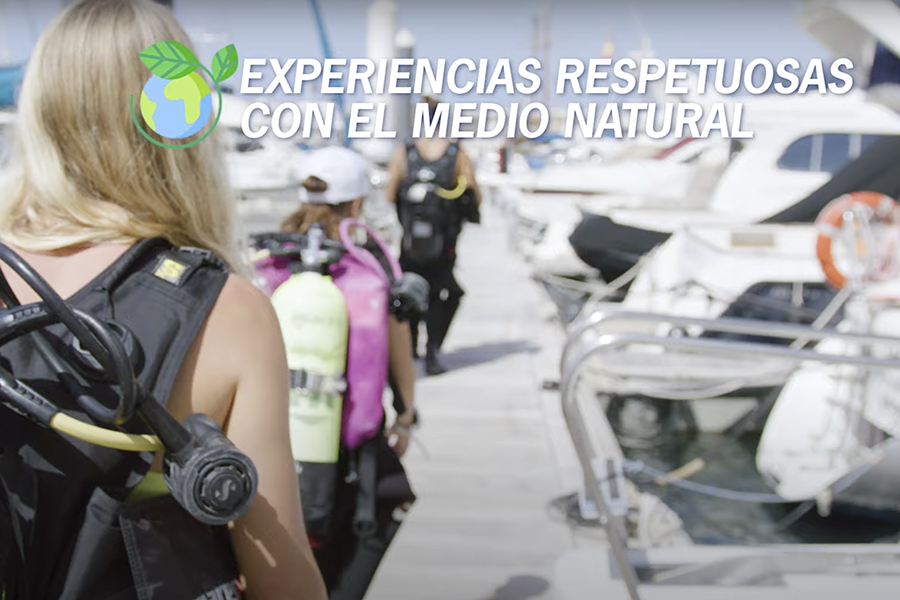
Sustainability in Santiago del Teide is based on specific measures, ranging from responsible coastal management to the implementation of energy efficiency projects in tourist accommodations within the municipality. These initiatives are committed to a model of tourism that protects natural resources and promotes continuous improvement.
Currently, 91% of the hotels in Santiago del Teide have the international Ecostars sustainability certification. Actions such as aerothermal energy, the implementation of solar energy, the optimization of the integrated water cycle, and the adaptation of efficient rooms endorse this recognition and form part of everyday life in the municipality’s tourist establishments. All of this is the result of public-private collaboration that consolidates a more efficient and environmentally friendly tourism model.
The environmental quality of its beaches also reflects this commitment. La Arena Beach and Los Guíos Beach have been recognised with the prestigious EMAS Flag awarded by the European Commission, as well as with the Q for Tourism Quality certifications and the ISO 9001 and ISO 14001 standards.
These are the only two beaches in the Canary Islands to hold all these distinctions, making Santiago del Teide a benchmark in the environmental management of its bathing areas.
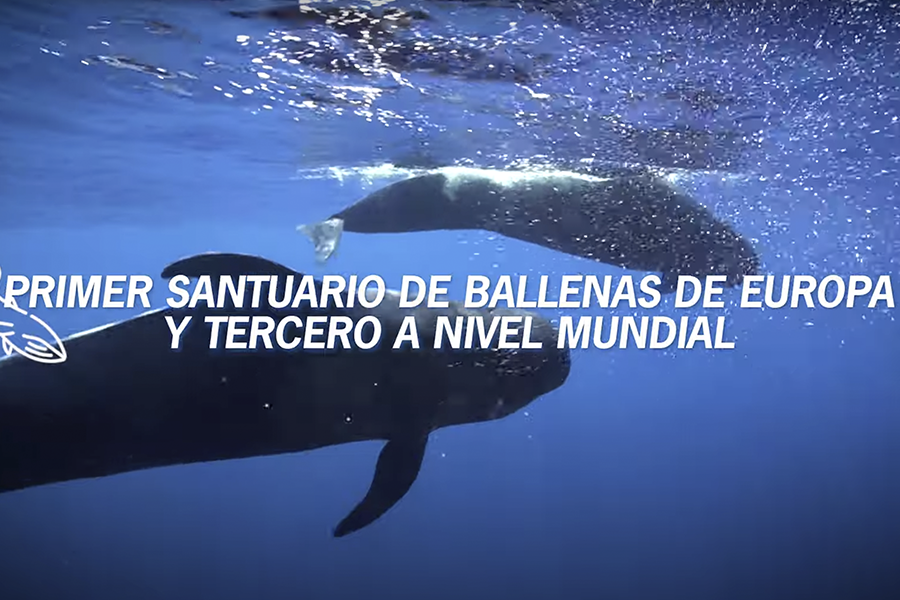
This sustainable vision also extends to the sea. The waters that surround the coast of Santiago del Teide form part of the Teno-Rasca protected coastal waters, a protected area that has been declared the first Whale Sanctuary in Europe and the third worldwide. This distinction not only highlights the marine biodiversity of this environment but also confirms that conservation is essential to achieving such significant recognition.